Ethan Monkhouse
Every founder, creator, and social media manager knows the feeling. You need to be visible to grow, but the thought of spending countless hours creating content that might not even work is paralyzing. This is the 'Content Trap,' and the solution isn't just working harder-it's working smarter with a proven playbook.
Forget generic advice and vague success stories. This article gets straight to the point, breaking down 10 distinct, real-world digital marketing strategy example plans you can adapt and execute immediately. We’re not just listing concepts; we’re dissecting each strategy from high-level goals down to the nitty-gritty tactics, showing you how to build a dominant market presence without becoming a full-time creator.
We'll cover everything from Content Marketing and SEO to targeted PPC Advertising and sophisticated Marketing Automation. Each example is a complete blueprint, detailing the target audience, primary goal, channel mix, core tactics, and critical KPIs. You'll get actionable takeaways you can implement today. A solid digital marketing plan is just one piece of a larger puzzle. To see practical applications and real-world plans for shaping your approach, explore these 8 Powerful Digital Transformation Strategy Examples for 2025.
Throughout this guide, we'll also highlight how a 'Relevance Intelligence Engine' like Naviro can automate the heavy lifting. Our goal is to turn these complex strategies into simple, repeatable tasks that fit your busy schedule, so you can focus on what you do best: building your business. Let's dive in.
1. Content Marketing: Becoming the Go-To Resource
Content marketing is the art of attracting and retaining customers by creating and distributing valuable, relevant, and consistent content. Instead of a hard sell, this digital marketing strategy example focuses on building trust and establishing your brand as an authority. Think of it as providing so much value for free that your audience naturally wants to see what your paid offerings can do. You’re playing the long game, building a loyal community that sees you as the go-to expert in your niche.
The core idea is simple: educate or entertain your audience to earn their attention. Companies like HubSpot mastered this by creating a massive library of marketing blogs, guides, and free certification programs. They answer virtually every question their potential customers might have, building immense credibility long before ever asking for a sale.
How to Make it Work for You
Define Your Niche: Don't try to be everything to everyone. Identify a specific audience and the unique problems you can solve for them. What are their biggest pain points? What questions do they Google at 2 AM?
Create Pillar Content: Develop comprehensive, in-depth guides, ebooks, or ultimate resource posts on core topics in your industry. This is a powerful tactic for a solid digital marketing strategy example. These "pillar" pieces serve as a foundation you can break down into smaller blog posts, social media updates, and videos.
Establish an Editorial Calendar: Consistency is king. Plan your content weeks or months in advance to ensure a steady flow of valuable information. This keeps your audience engaged and signals to search engines that your site is a fresh, active resource.
Optimize Everything for SEO: Your amazing content is useless if no one finds it. Research relevant keywords and incorporate them naturally into your titles, headings, and body copy to rank higher in search results.
Naviro Pro-Tip: Don't guess which content will resonate. Use Naviro’s Competitor Insights tool to analyze top-performing articles and blog posts in your niche. You can identify content gaps your competitors are missing and see the exact keywords they are ranking for, giving you a clear roadmap to creating content that truly performs.
2. Search Engine Optimization (SEO): Winning the Visibility Game
Search Engine Optimization (SEO) is the process of fine-tuning your website and content to rank higher on search engines like Google for relevant queries. This isn't about gaming the system; it's about making your site the best possible answer to a user's question. This digital marketing strategy example is fundamental because it captures high-intent traffic, people who are actively looking for the solutions you provide, and brings them directly to your digital doorstep without paying for every click.

The goal is to increase organic visibility, building a sustainable source of traffic that grows over time. Look at how Ahrefs dominates search results for SEO-related terms. They create comprehensive blog posts and free tools that not only rank but also serve as the industry standard, effectively using their own product's insights to fuel their marketing and establish untouchable authority.
How to Make it Work for You
Target User Intent, Not Just Keywords: Go beyond high-volume keywords. Understand what the user is actually trying to accomplish. Are they looking to buy ("best running shoes for men"), learn ("how to start running"), or find a specific site? Tailor your content to that intent.
Master On-Page SEO Basics: This is your foundation. Ensure your page titles, meta descriptions, headings, and URLs are clear, descriptive, and include your primary keywords. Optimize your site speed and ensure it’s mobile-friendly, as these are critical ranking factors.
Build Authority with Quality Backlinks: Backlinks (links from other websites to yours) act as votes of confidence for search engines. Earn them by creating remarkable content others want to share, guest posting on reputable sites, or collaborating with industry partners.
Conduct Regular Technical Audits: SEO isn't a one-and-done task. Regularly check for technical issues like broken links, crawl errors, or poor site structure that could be holding you back from ranking higher. This is a crucial part of any effective digital marketing strategy example.
Naviro Pro-Tip: Stop guessing which keywords to target. Use Naviro's Keyword Opportunity feature to discover high-intent, low-competition keywords your audience is actively searching for. The platform analyzes SERP data to give you a clear advantage, showing you exactly where to focus your efforts for the fastest ranking gains.
3. Pay-Per-Click (PPC) Advertising: Buying Your Way to the Top
Pay-Per-Click (PPC) advertising is the strategy of paying for immediate visibility at the top of search engine results or in social media feeds. Instead of earning traffic organically, you pay a fee each time a user clicks on your ad. This digital marketing strategy example is all about speed and precision, allowing you to target specific demographics, keywords, and interests to drive highly qualified traffic directly to your offers. You’re essentially renting prime real estate where your ideal customers are already looking.
The core idea is to bypass the long wait for organic growth and get your message in front of buyers right now. For example, e-commerce brands leverage Google Shopping ads to showcase products directly in search results, while SaaS companies use targeted LinkedIn ads to reach C-suite decision-makers. It’s a direct, measurable way to generate leads and sales from day one.
How to Make it Work for You
Master Keyword Research: The foundation of a successful PPC campaign is targeting the right keywords. Identify high-intent keywords that signal a user is ready to buy, not just browse. Think "emergency plumber near me" versus "how to fix a leaky faucet."
Create Compelling Ad Copy: Your ad is your digital billboard. It needs a magnetic headline, a clear value proposition, and a strong call to action (CTA). A/B test different variations to see what language resonates most with your audience. This tactic is essential for an effective digital marketing strategy example.
Optimize Your Landing Pages: Sending paid traffic to your homepage is a waste of money. Create dedicated landing pages that match the ad's message and are laser-focused on a single conversion goal, whether it's a purchase, a form fill, or a download.
Use Negative Keywords: Just as important as what you target is what you don't target. Add negative keywords to prevent your ads from showing for irrelevant searches, which eliminates wasted spend and improves your campaign's overall return on investment.
Naviro Pro-Tip: Don't fly blind with your ad budget. Use Naviro’s PPC Campaign Tracker to monitor your ad spend, click-through rates, and conversion costs in one dashboard. You can also analyze your competitors' top-performing ads and keywords to uncover profitable opportunities they might be exploiting, giving you a strategic advantage right out of the gate.
4. Social Media Marketing: Building a Thriving Community
Social media marketing is the practice of using platforms like Instagram, X (formerly Twitter), and TikTok to connect with your audience, build your brand, and drive website traffic. This isn't just about posting pretty pictures; it’s about creating a two-way conversation and fostering a community around your brand. It’s a powerful digital marketing strategy example because it allows you to meet customers where they already spend their time.
The goal is to be more than just a company; it’s to be a personality that your audience knows, likes, and trusts. Think of Wendy's legendary witty and sarcastic Twitter account. They didn't just sell burgers; they built a brand persona that people actively wanted to engage with, turning their social feed into an entertainment destination and a powerful marketing channel.
How to Make it Work for You
Choose Your Platforms Wisely: Don't stretch yourself thin trying to be everywhere. Focus on the 1-3 platforms where your target audience is most active. A B2B tech company will thrive on LinkedIn, while a fashion brand will find its home on Instagram and Pinterest.
Develop a Content Mix: Plan a balanced mix of content that serves different purposes: promotion, education, entertainment, and community-building. Use the 80/20 rule: 80% of your content should provide value (tips, behind-the-scenes, user-generated content), and 20% can be promotional.
Engage, Engage, Engage: Social media is not a broadcast channel. Respond to comments, answer questions, and participate in conversations. Authentic engagement is what turns passive followers into loyal brand advocates.
Leverage Native Features: Each platform has unique features like Instagram Stories, TikTok Duets, or X Polls. Using these native tools shows you understand the platform's culture and often leads to better reach from the algorithm.
Naviro Pro-Tip: Timing and trends are everything on social media. Use Naviro’s Social Listening feature to monitor brand mentions and track trending topics in your industry in real-time. You can immediately jump into relevant conversations and schedule posts for peak engagement times, ensuring your content gets maximum visibility.
5. Email Marketing: Nurturing the Inbox Relationship
Email marketing is the strategy of sending targeted commercial messages to a list of subscribers who have opted in to receive them. It’s a direct line to your audience, allowing you to nurture leads, drive conversions, and build lasting customer relationships without relying on third-party algorithms. Think of it as having a personal conversation at scale, delivering value directly to a place your audience checks daily: their inbox.
This digital marketing strategy example remains a powerhouse because it's built on permission and personalization. Companies like Grammarly excel at this by sending educational email sequences that provide genuine value. Their weekly writing insights and performance stats keep users engaged and highlight the benefits of their premium product, making the eventual upgrade feel like a natural next step.
How to Make it Work for You
Build a Quality List: Your email list is your most valuable digital asset. Offer a compelling reason for people to subscribe, like a free guide, a discount, or exclusive content. Never buy a list; focus on organic growth to ensure high engagement.
Segment Your Audience: Don't send the same message to everyone. Group your subscribers based on their behavior, demographics, or purchase history. A new lead should receive a different message than a loyal, repeat customer.
Craft Compelling Campaigns: Your subject line is the gatekeeper. Make it irresistible. Inside the email, use a clear call-to-action (CTA), personalized content, and a clean design that guides the reader toward the desired action.
Automate and Nurture: Set up automated workflows like welcome series for new subscribers, abandoned cart reminders, and re-engagement campaigns for inactive contacts. This ensures timely, relevant communication without manual effort.
Naviro Pro-Tip: Personalization goes beyond just using a first name. With Naviro's Customer Journey Analytics, you can trigger automated email sequences based on specific user actions on your site. If a user views a product page three times but doesn't buy, you can automatically send them a follow-up email with a limited-time offer or more product details to nudge them toward conversion.
6. Influencer Marketing: Borrowing Credibility and Trust
Influencer marketing is a strategy that involves collaborating with individuals who have a dedicated social following to promote your brand. Instead of you shouting about how great your product is, you let a trusted, authentic voice share it with their loyal audience. This digital marketing strategy example is powerful because it leverages pre-built relationships and credibility, cutting through the noise of traditional advertising. It’s the digital version of a word-of-mouth recommendation, but on a massive scale.
The core idea is to find creators whose audience perfectly matches your target customer. Companies like Daniel Wellington became iconic by sending their watches to fashion micro-influencers across Instagram. Their feeds were flooded with authentic, stylish photos from hundreds of different creators, creating an inescapable sense of social proof and desirability that felt organic, not forced.
How to Make it Work for You
Identify the Right Partners: Don't just chase follower counts. Look for influencers whose brand values, aesthetic, and audience engagement align with yours. A micro-influencer with 10,000 hyper-engaged followers is often more valuable than a mega-influencer with a million passive ones.
Define Clear Campaign Goals: Are you aiming for brand awareness, direct sales, or user-generated content? Your goal will dictate the type of influencer, the content format, and how you measure success. For sales, unique discount codes are non-negotiable.
Build Authentic Relationships: Treat your influencers like business partners, not billboards. The best collaborations come from long-term relationships where the creator genuinely loves your product. Give them creative freedom to integrate your brand in a way that feels natural to their audience.
Track and Measure ROI: Monitor key metrics like engagement rate, reach, website clicks, and conversions from unique promo codes. This is a crucial step in any successful digital marketing strategy example, as it helps you identify which partnerships are driving real business results.
Naviro Pro-Tip: Finding the right influencers can feel like searching for a needle in a haystack. Use Naviro’s Audience Demographics tool to analyze a potential partner’s followers. You can verify if their audience matches your ideal customer profile by age, location, and interests, ensuring your investment reaches the right people and maximizes campaign ROI.
7. Video Marketing: Capturing Attention in a Visual World
Video marketing is the strategy of using video to promote and market your product or service, increase engagement, and educate your audience. In a world of shrinking attention spans, video is a powerful tool to convey complex information quickly and emotionally. This digital marketing strategy example is about more than just commercials; it's about telling stories, demonstrating value, and creating a human connection with viewers. You’re meeting your audience on platforms where they are already consuming content, making your brand part of their daily scroll.
The goal is to stop the scroll and hold attention. Brands like Dollar Shave Club achieved legendary status with a single, humor-filled launch video that went viral. Similarly, Blendtec's "Will It Blend?" series turned a seemingly boring product into an internet sensation by creating entertaining, must-watch content. They didn't just sell a blender; they sold entertainment, and the blender was the star of the show.
How to Make it Work for You
Hook Them Immediately: The first three seconds are everything. Start with a bold claim, a captivating visual, or an intriguing question to prevent viewers from swiping away.
Optimize for Each Platform: A 10-minute deep-dive for YouTube won't work on TikTok. Tailor your video's length, orientation (vertical vs. horizontal), and style to fit the platform you're publishing on.
Design for Sound-Off Viewing: A huge percentage of social media videos are watched without sound. Use clear on-screen text, captions, and strong visuals to ensure your message gets across even when muted. This is a crucial tactic for a modern video digital marketing strategy example.
End with a Clear Call-to-Action (CTA): What do you want the viewer to do next? Tell them explicitly. Whether it's "subscribe," "learn more," or "shop now," a clear CTA turns passive viewers into active participants.
Naviro Pro-Tip: Don't just post and pray. Use Naviro’s Social Media Analytics to track video performance metrics like view duration, engagement rate, and audience retention. Pinpoint exactly where viewers drop off in your videos so you can refine your intros, edit for better pacing, and create content that keeps your audience hooked until the very end.
8. Marketing Automation: Scaling Personalization and Efficiency
Marketing automation uses software to automate repetitive marketing tasks, allowing you to deliver personalized experiences at scale. Instead of manually sending every email or social post, this strategy orchestrates complex customer journeys automatically. Think of it as your tireless digital assistant, nurturing leads, engaging customers, and guiding them through the sales funnel 24/7. It’s about working smarter, not harder, to build and maintain relationships.
The goal is to trigger the right message to the right person at the right time based on their behavior. Companies like HubSpot and ActiveCampaign excel at this by providing tools that let businesses create sophisticated workflows. For example, if a user downloads an ebook, automation can trigger a follow-up email sequence with related content, nurturing them from a casual browser into a qualified lead without any manual intervention.
How to Make it Work for You
Map the Customer Journey: Before you automate anything, visually map out the steps your customers take from awareness to purchase. Identify key touchpoints and decision moments where an automated message could provide value or remove friction.
Start with Simple Workflows: Don't try to build a massive, complex system on day one. Begin with a straightforward welcome email series for new subscribers or a cart abandonment sequence. This is a crucial digital marketing strategy example for immediate ROI.
Leverage Behavioral Triggers: The power of automation comes from data. Set up triggers based on user actions, like visiting a pricing page, clicking a specific link in an email, or not logging in for 30 days. These behaviors signal intent and allow for hyper-relevant messaging.
Test and Refine Constantly: Automation is not "set it and forget it." Monitor your workflows' performance. Are your open rates dropping off in a nurture sequence? Is a specific trigger firing too often? A/B test your emails and optimize based on the data.
Naviro Pro-Tip: Take the guesswork out of your workflows with Naviro's Customer Journey Analytics. You can visualize how users move through your funnels, identify drop-off points, and pinpoint the perfect moments for automated intervention. Connect this data to our automation builder to create high-impact sequences based on real user behavior, not just assumptions.
9. Affiliate Marketing: Building a Performance-Based Sales Force
Affiliate marketing is a performance-based strategy where you partner with creators, bloggers, and other brands (affiliates) to promote your products. Instead of paying for ad space, you pay a commission for actual results, like sales or leads, generated through their unique tracking links. This digital marketing strategy example essentially outsources your marketing to a motivated, commission-driven sales team. It's a low-risk, high-reward way to scale your reach and drive sales through trusted voices.
The core idea is leveraging the audience and credibility of others to sell your product. Amazon's Associates program is the classic example, allowing anyone to earn a commission by linking to products. Similarly, web hosting companies like Bluehost have built empires by offering generous commissions to tech bloggers and web developers who recommend their services, creating a powerful and authentic marketing channel.
How to Make it Work for You
Recruit Relevant Partners: Your affiliates are an extension of your brand. Seek out partners whose audience demographics and values align perfectly with your own. A mismatch here can damage your reputation.
Offer Competitive Commissions: Your program needs to be attractive. Research what competitors offer and create a commission structure that motivates top-tier affiliates to prioritize promoting your products over others.
Provide a Full Asset Kit: Make it incredibly easy for affiliates to succeed. Supply them with high-quality banners, email templates, product photos, and pre-written copy. The less work they have to do, the more they will promote you.
Build Real Relationships: Don't just treat your affiliates like numbers on a spreadsheet. Engage with your top performers, offer them exclusive bonuses, and listen to their feedback to improve your program.
Naviro Pro-Tip: Finding the right affiliates is the hardest part. Use Naviro’s Influencer Discovery tool to identify creators and publishers who are already talking about your competitors or industry keywords. You can analyze their audience engagement and reach to build a targeted list of high-potential partners, fast-tracking your recruitment process.
10. Data Analytics and Personalization: Creating One-to-One Experiences
Data analytics and personalization is the strategy of using customer data to deliver hyper-relevant, individualized experiences. Instead of broadcasting one message to everyone, this approach tailors content, offers, and interactions to each user's specific behaviors, preferences, and history. It’s about making your audience feel seen and understood, transforming a generic customer journey into a personal conversation.
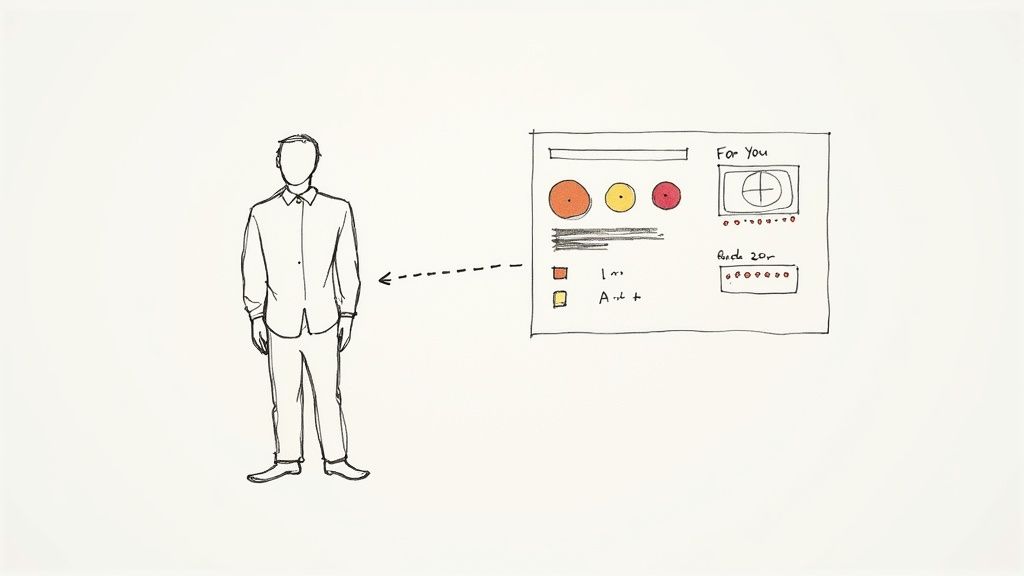
The core idea is to move from marketing to the masses to marketing to the individual. Think about Netflix’s recommendation engine or Spotify's Discover Weekly playlists; they use your past behavior to predict what you’ll love next. This data-driven approach builds incredible loyalty and significantly boosts engagement and conversions by showing customers exactly what they want, often before they even know they want it.
How to Make it Work for You
Collect First-Party Data: Prioritize gathering data directly from your audience through your website, app, email sign-ups, and purchase history. This information is a goldmine for understanding user behavior and is essential for effective personalization.
Segment Your Audience: Don't just collect data; use it. Group your audience into segments based on demographics, browsing behavior, purchase history, or engagement level. This allows you to create targeted campaigns that speak directly to each group's interests.
Start with Small Wins: You don't need a massive AI engine to begin. Start by personalizing email subject lines with a user's name or showing dynamic content on your website based on their location. Test and measure the impact of these small changes.
Balance Personalization and Privacy: Be transparent about the data you collect and how you use it. This powerful digital marketing strategy example relies on trust, so ensure you are compliant with regulations like GDPR and give users control over their data.
Naviro Pro-Tip: Making sense of user data can be overwhelming. Use Naviro’s Audience Segmentation feature to automatically group users based on their on-site actions. You can identify your most engaged segments and create hyper-targeted campaigns without drowning in spreadsheets, ensuring your personalization efforts are both efficient and effective.
10 Digital Marketing Strategies — Side-by-Side Comparison
Strategy | 🔄 Implementation Complexity | ⚡ Resources & Speed | 📊 Expected Outcomes | Ideal Use Cases | ⭐ Key Advantages |
|---|---|---|---|---|---|
Content Marketing | Medium–High — ongoing content creation and editorial process | Moderate budget, high time investment; results in months | 📊 Steady organic traffic, authority, long-term lead generation | B2B, thought leadership, long sales cycles, SEO-driven growth | ⭐⭐⭐⭐ Builds trust & SEO; 💡 use editorial calendar & repurpose |
Search Engine Optimization (SEO) | High — technical, on‑page and off‑page work + continuous optimization | Moderate resources and specialist skill; results typically 3–6 months | 📊 Sustainable organic visibility and high long‑term ROI | Websites seeking organic growth (e‑commerce, content, SaaS) | ⭐⭐⭐⭐⭐ Highest long‑term ROI; 💡 focus on intent keywords |
Pay‑Per‑Click (PPC) Advertising | Medium — campaign setup, bidding and optimization | High budget for scale; immediate traffic and measurable results | 📊 Fast conversions and clear attribution; cost varies by keyword | Product launches, seasonal promotions, performance campaigns | ⭐⭐⭐⭐ Immediate scale & control; 💡 A/B test and use negative keywords |
Social Media Marketing | Medium — content creation + community management | Moderate resources; quicker engagement but organic reach can fluctuate | 📊 Brand awareness, engagement, potential viral reach; variable conversion | Consumer brands, community building, awareness campaigns | ⭐⭐⭐ Direct audience engagement; 💡 create native platform content |
Email Marketing | Low–Medium — list management and automation setup | Low cost; rapid ROI once list and workflows exist | 📊 High ROI, strong retention and repeat purchases | Retention, e‑commerce, SaaS nurture sequences | ⭐⭐⭐⭐⭐ Highly cost‑effective & personalizable; 💡 segment and automate |
Influencer Marketing | Low–Medium — sourcing and relationship management | Variable costs; can deliver fast awareness depending on influencers | 📊 Reach niche engaged audiences and drive awareness; ROI varies | Consumer products, lifestyle, launches, brand awareness | ⭐⭐⭐ High engagement and authenticity; 💡 favor micro‑influencers & track codes |
Video Marketing | Medium–High — production, editing, platform optimization | Higher production resources; can produce rapid viral lift or steady growth | 📊 Highest engagement, better conversions and time on site | Product demos, storytelling, educational content, brand building | ⭐⭐⭐⭐ Strong engagement across platforms; 💡 hook in first 3 seconds |
Marketing Automation | High — integration, workflows, data setup | Moderate–High tooling cost and setup time; saves resources long‑term | 📊 Improved lead nurturing, higher conversion efficiency | B2B/SaaS scaling, complex customer journeys | ⭐⭐⭐⭐ Personalization at scale; 💡 start with simple workflows |
Affiliate Marketing | Low–Medium — tracking, recruitment and management | Low upfront cost; pay‑per‑performance scales with sales | 📊 Performance‑based sales growth with controlled risk | E‑commerce, digital products, subscription services | ⭐⭐⭐ Low risk & scalable; 💡 recruit quality affiliates and monitor fraud |
Data Analytics & Personalization | High — CDP, analytics, privacy and engineering work | High investment in tools and expertise; faster gains after setup | 📊 Higher conversions, improved LTV and data‑driven decisions | Large user bases, personalization‑driven businesses (streaming, retail) | ⭐⭐⭐⭐ Significant conversion uplift; 💡 enforce data governance and compliance |
From Blueprint to Action: Your Next Move
We’ve journeyed through a wide array of powerful digital marketing strategy examples, from the foundational pillars of SEO and Content Marketing to the high-growth engines of PPC and Influencer Marketing. Each blueprint, whether focused on building community through social media or driving precision-targeted conversions with marketing automation, offers a unique path to connect with your audience and achieve your business goals.
The common thread isn't a secret formula or a single "best" channel. Instead, it’s the principle of strategic alignment. The most successful brands don’t just throw tactics at the wall to see what sticks; they meticulously match their strategy to their specific audience, goals, and resources. They understand that a SaaS startup's content strategy will look vastly different from a DTC brand's video marketing approach.
The Real Challenge: Bridging Strategy and Execution
Reading about a great digital marketing strategy example is inspiring, but the real work begins now. The most significant hurdle for ambitious founders, creators, and leaders isn't a lack of ideas. It's the relentless demand of consistent, high-quality execution.
How do you translate that killer content marketing plan into a steady stream of articles that actually rank? How do you ensure your social media efforts build genuine connection and not just empty metrics? The answer lies in moving from manual effort to intelligent systems.
Here are the core takeaways to focus on as you build your own strategy:
Clarity Over Complexity: You don't need to be on every platform. Choose one or two core strategies from the examples above that resonate most with your brand and audience. Master them before expanding.
Audience-First Always: Every successful strategy we analyzed started with a deep, almost obsessive understanding of the target audience. Their pain points, their desires, and where they spend their time online should dictate your every move.
Data is Your Co-Pilot: Don't guess, measure. The KPIs outlined in each example are not just for reporting; they are your feedback loop. Use them to understand what's working, double down on winners, and mercilessly cut what isn't delivering results.
Consistency is the Engine of Growth: A single great blog post or one viral video is a moment. A consistent cadence of valuable content, targeted ads, or engaging emails is a movement. Sustainable growth is built on disciplined repetition and continuous optimization.
Your Path to Effortless Execution
The transition from a strategic blueprint to a well-oiled marketing machine can feel daunting. It requires research, creativity, and persistent analysis. For leaders whose primary focus needs to be on building the business, this can feel like an impossible task. This is precisely where modern tools can transform your workflow from a time-intensive grind into a streamlined, high-impact process.
The goal is to leverage technology that acts as a strategic partner, automating the heavy lifting so you can focus on the high-level vision. Imagine having an analytics engine that doesn’t just show you data but tells you what it means and what to do next. Picture a system that helps you find the most resonant content ideas and ensures your unique voice shines through without you spending hours writing.
This isn't a far-off future; it's the new standard for efficient, scalable marketing. By embracing the right tools, you can finally execute a world-class digital marketing strategy example of your own, turning ambitious plans into measurable business outcomes without sacrificing your most valuable asset: your time.
Tired of the gap between strategy and execution? Naviro uses its Relevance Intelligence Engine to find the topics your audience craves, calibrate content to your unique voice, and distribute it for maximum impact, all in just 15 minutes a week. Turn your marketing blueprint into tangible results by visiting Naviro and see how you can build a reputation that drives real business growth.


